When people think about investment risk, they often focus on things like inflation, interest rates, economic uncertainty, political events, or market volatility. While those factors certainly influence markets, decades of investment experience have taught us that the greatest threat to long-term investment success is often much closer to home.
It’s us. More specifically, it’s the emotional decisions we make when markets become uncertain.
We recently sat down with Mark Bertoli to discuss why investor behaviour can have such a powerful impact on outcomes and explored practical ways to stay focused on long-term goals when markets become challenging.
The Logic vs. Emotion Battle
Investing is often described as a numbers game, but it’s equally a behavioural game.

When markets are rising, it can be tempting to feel optimistic and chase the latest investment trend. When markets decline, fear can encourage us to sell good investments at exactly the wrong time.
One of the most important roles we play as advisors is helping clients navigate these emotional moments. Not only does this help protect their long-term financial success, but it can also improve their quality of life.
That’s why we believe confidence comes from understanding. When clients understand the strategy behind their investments, they’re far more likely to make logical decisions instead of emotional ones.
Volatility Creates Opportunity
One of the clearest examples of this occurred during the early days of the COVID-19 pandemic. In just over a month, global markets experienced one of the fastest declines in history. Headlines were alarming, uncertainty was everywhere, and many investors felt compelled to sell.
However, our investment discipline guided us to look beyond fear. Rather than viewing the market decline as a reason to abandon quality investments, we saw an opportunity to purchase exceptional companies at significantly discounted prices. History has repeatedly shown that market downturns don’t last forever. The companies that emerge strongly are often the same companies that continue generating earnings, serving customers, and growing their businesses during challenging times.
This is why understanding what you own matters so much. Instead of asking, “Why is the market down today?” a more productive question to ask is: “How are the companies I own performing, and what is their long-term outlook?” This question helps investors stay focused on what truly drives long-term success.
Our Three-Pillar Investment Discipline
At the heart of our wealth generation philosophy is a simple but powerful investment discipline built around three pillars.
Pillar #1: Own Great Companies
We look for businesses that are:
- Difficult to compete with
- Difficult to replicate
- Difficult to live without

Think of a railway company. It would be nearly impossible for a competitor to build a new railway network across Canada today. Rail transport remains one of the most efficient ways to move goods, and our economy depends on it every day.
This simple example exemplifies the principles of pillar #1 and how these kinds of businesses can continue creating value for decades.
Pillar #2: Financial Capacity
Even great companies can struggle if they are carrying too much debt. We look for businesses with strong balance sheets and financial strength to weather difficult economic conditions.
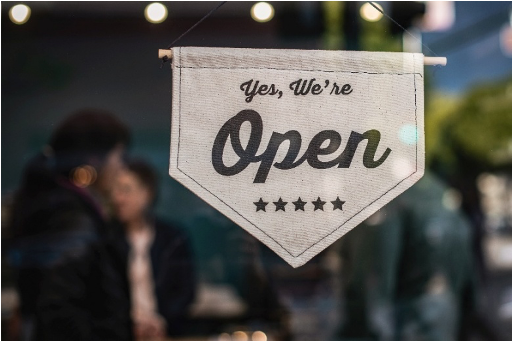
Mark shares, “consider the example of two restaurants. One has been serving loyal customers for twenty years. The other has just opened its doors with significant debt. When COVID hit, the established restaurant adapted and survived. The heavily indebted newcomer faced a far greater challenge.” The lesson is simple: financial strength creates resilience.
When evaluating investments, strong balance sheets and manageable debt levels are critical characteristics.
Pillar #3: The Price You Pay
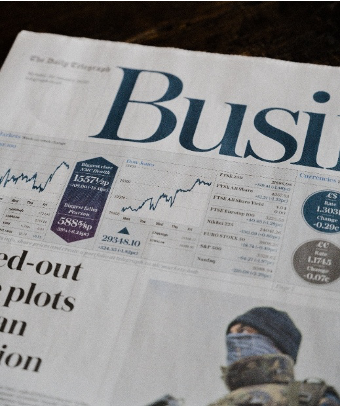
Even the best company can be a poor investment if you pay too much for it. Price matters.
Mark provided a simple real estate example to help illustrate this, “Imagine two identical homes in the same neighbourhood. Both are worth $1 million. One property is listed for $600,000. The other home is listed for $1.2 million. The quality of the assets is the same, but the investment outcome will likely be quite different depending on the price paid.”
The same principle applies to stocks. Market fear, uncertainty, and negative headlines can sometimes create opportunities to buy quality assets at attractive prices. This is where having a disciplined process becomes so valuable.
Avoiding the Cost of Emotional Investing
One of the most expensive mistakes investors can make is chasing whatever happens to be popular in the moment. Whether it’s technology stocks, cannabis investments, cryptocurrency, or the latest market trend, we’ve seen the same cycle repeat itself countless times:
- A new investment becomes popular.
- Prices rise rapidly.
- Investors fear missing out.
- More money pours into the investment.
- Prices eventually fall.
- Investors panic and sell.
Unfortunately, this process can cause lasting damage to both portfolios and investor confidence. When significant losses occur because of speculation, people can become reluctant to invest again. Instead of learning from the experience, they may avoid investing altogether, limiting their ability to grow wealth over the long term.
This is why discipline matters. A disciplined investment process helps filter out emotional decisions and keeps the focus on fundamentals rather than headlines.
The Return That Actually Matters
Many investors ask one question, “What’s the highest return I can achieve?” A better question might be, “Am I earning the return required to achieve my financial goals?”
The objective isn’t to maximize returns at all costs. The objective is to achieve your goals, whether that’s retiring comfortably, supporting family members, maintaining your lifestyle, leaving a legacy, or enjoying greater financial freedom, your investment strategy should be designed around your personal plan.
Higher returns often come with higher risks. The key is finding the balance that allows you to stay invested confidently over the long term.
Staying the Course

Mark often compares investing to taking a road trip.
“Imagine driving to Vancouver. If your only goal is speed, you would push the accelerator to the floor for the entire journey. But chances are you’ll burn more fuel, create unnecessary stress, and significantly increase the risk of something going wrong. A better approach is to set the cruise control, enjoy the drive, and stay focused on reaching your destination safely.”
Investing works much the same way. A thoughtful financial plan, combined with a disciplined investment process, allows you to focus less on daily market movements and more on the life you’re building along the way.
A Conversation Worth Having
Market headlines will always come and go. Interest rates will change. Volatility will appear when we least expect it. But a well-designed investment plan and a disciplined approach can help keep you focused on what matters most: achieving your long-term goals.
If you’re wondering whether your portfolio is aligned with your retirement plan and goals, or if you’d like a better understanding of the investment discipline guiding your wealth, we’d be happy to help.
Contact our team today to schedule a portfolio and retirement plan review. We’re here to help you invest with confidence and focus on living life.
