

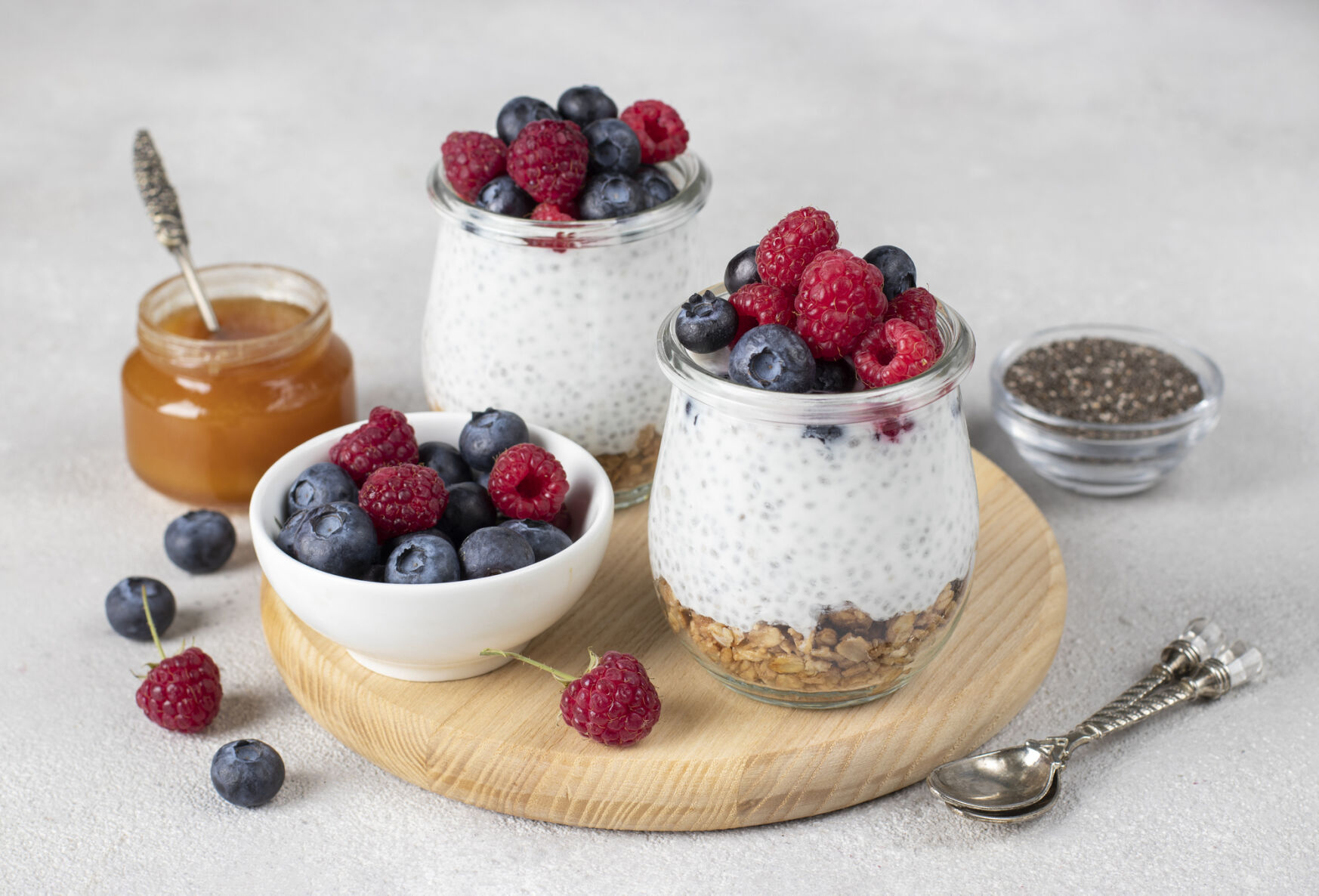
Your morning cup of coffee or handful of berries might be doing more for you than you think. According to a long-term study of British adults, regularly eating foods rich in plant compounds known as polyphenols is linked to better heart health and a slower rise in cardiovascular risk as people age.
What a Decade of Data Reveals
The findings come from an 11-year analysis led by researchers at King’s College London, who examined the diets and health markers of more than 3,100 adults. Scientists assigned each participant a “polyphenol dietary score,” a measure based on how often they consumed about 20 common foods, including berries, nuts, whole grains, cocoa, olive oil, tea and coffee.
The study found that these foods delivered gradual, long-term benefits for regular consumers. Those with the highest polyphenol intake had healthier cholesterol levels, including higher HDL, the type known to help protect the heart. They showed healthier blood pressure levels and a slower buildup of heart disease risk than participants with lower polyphenol intake.
Simple Foods, Big Potential
The good news for everyday eaters is that this doesn’t call for unusual foods or significant dietary changes. Many of the foods highlighted in the study are already kitchen staples. A morning cup of tea or coffee, a handful of nuts as a snack, a bowl of berries stirred into yogurt or oatmeal and using olive oil in place of butter are all simple steps that can raise polyphenol intake without any major overhaul.
Nutrition researchers emphasize that consistency matters more than perfection. Small, repeated choices may compound over time. Swapping refined grains for whole grains, adding fruit to breakfast, choosing nuts over processed snacks or sprinkling a little cocoa powder into a smoothie are all easy strategies to build into a sustainable routine.
Nandor Barta, food writer behind mypureplants.com, says, “I often add a dash of coffee to any chocolate-based dessert. It deepens the flavor and gives it that rich, almost 80–90% dark-chocolate profile. It works exceptionally well in brownies.
Nuts are widely used in vegan cooking, and I rely on them in several ways. Cashews are my go-to for creamy bases like cheese sauces. Almonds work beautifully in crusts, crumbles and granolas. Walnuts add richness to plant-based “meat” mixes, whether for tacos or bolognese. Pecans bring a buttery texture to desserts, while hazelnuts pair naturally with anything chocolatey.”
Portion size and balance still matter. While nuts are nutrient-dense, they are also calorie-dense, so experts recommend mindful servings. Caffeine intake should be moderated based on individual tolerance and medical guidance. Polyphenol-rich foods are meant to complement overall healthy patterns, not replace core habits like regular exercise, adequate sleep and routine medical care.
Tasty Ways to Work These Ingredients Into Your Routine
For those looking to make quick, realistic changes, start with what feels easiest. If you already drink coffee or tea, enjoy it as part of a balanced diet. If berries are too expensive out of season, frozen varieties offer the same benefits at a lower cost.
Buy frozen blueberries and keep them in a bowl in the refrigerator so they will be thawed when you are ready to throw them in your yogurt. If nuts feel repetitive, rotate between almonds, walnuts, pistachios and hazelnuts for different flavors and nutrient profiles. The goal is to build a foundation of snacks that fit naturally into daily life.
Here are some recipes that offer multiple benefits and are easy to make.
Strawberry Feta Salad
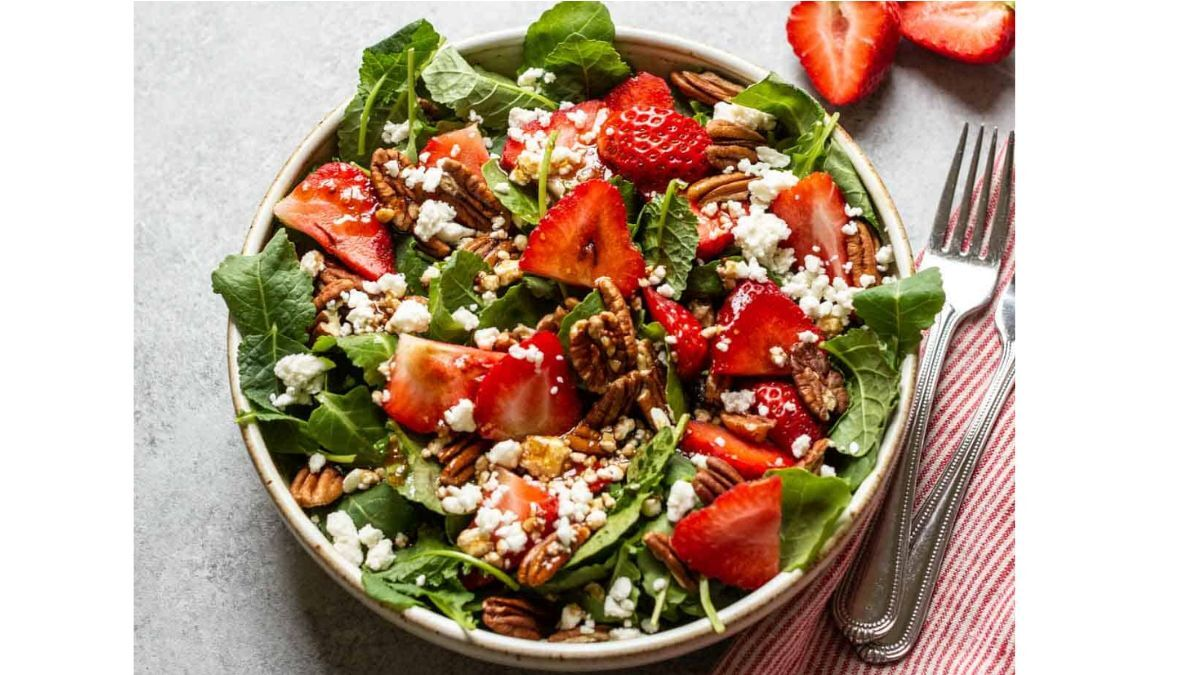
This Strawberry Feta Salad is one of the best salads for healthy eating. It is packed with flavor and texture and made with simple ingredients like baby kale, fresh strawberries, crunchy pecans, and creamy feta.
Coffee Banana Oat Smoothie

Fans of coffee and chocolate will appreciate this Coffee Banana Oat Smoothie, which delivers milkshake-level flavor in a feel-good breakfast. It is packed with nourishing ingredients and has enough protein to keep you satisfied through the morning.
Caprese Pasta Salad
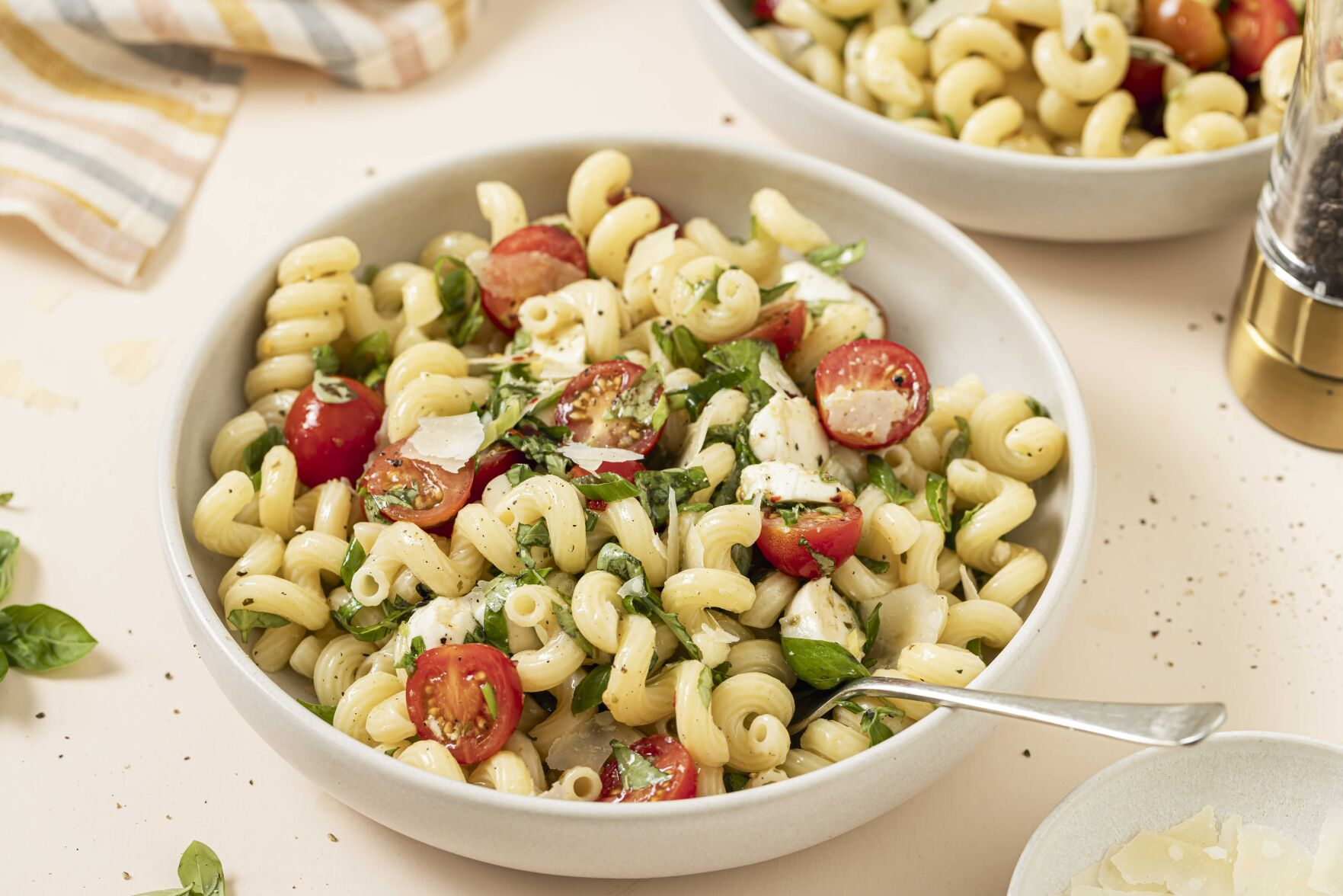
A Caprese pasta salad offers a fresh, option for lunch or a simple side dish. It features classic Italian flavors like tomatoes, basil and mozzarella, which makes it a crowd pleaser. The dressing includes heart-healthy olive oil, adding both richness and nutrients to the dish.
Making these heart healthy foods part of a daily routine does not require major changes. Small shifts, like choosing olive oil instead of butter or adding berries to breakfast, can add up over time. A handful of nuts as a snack or a cup of coffee or tea in the morning offers an easy boost without any extra effort. These simple choices help build a pattern of eating that supports long-term heart health. With a few steady habits, it becomes easier to work these ingredients into meals day after day
